Styling Approach
Editorial methodology applied to personal styling, structured through architectural composition and visual coherence principles.
Editorial Foundation
Styling operates through visual structure and compositional balance. Each garment is considered within its relationship to form, texture, and spatial arrangement. The process is architectural: foundation pieces establish structure, accent elements provide rhythm, and proportions create visual harmony.
No trend forecasting or seasonal mandates. Focus remains on enduring aesthetic principles and individual visual coherence. The approach draws from editorial fashion composition, where each element serves a structural purpose within the larger visual narrative.
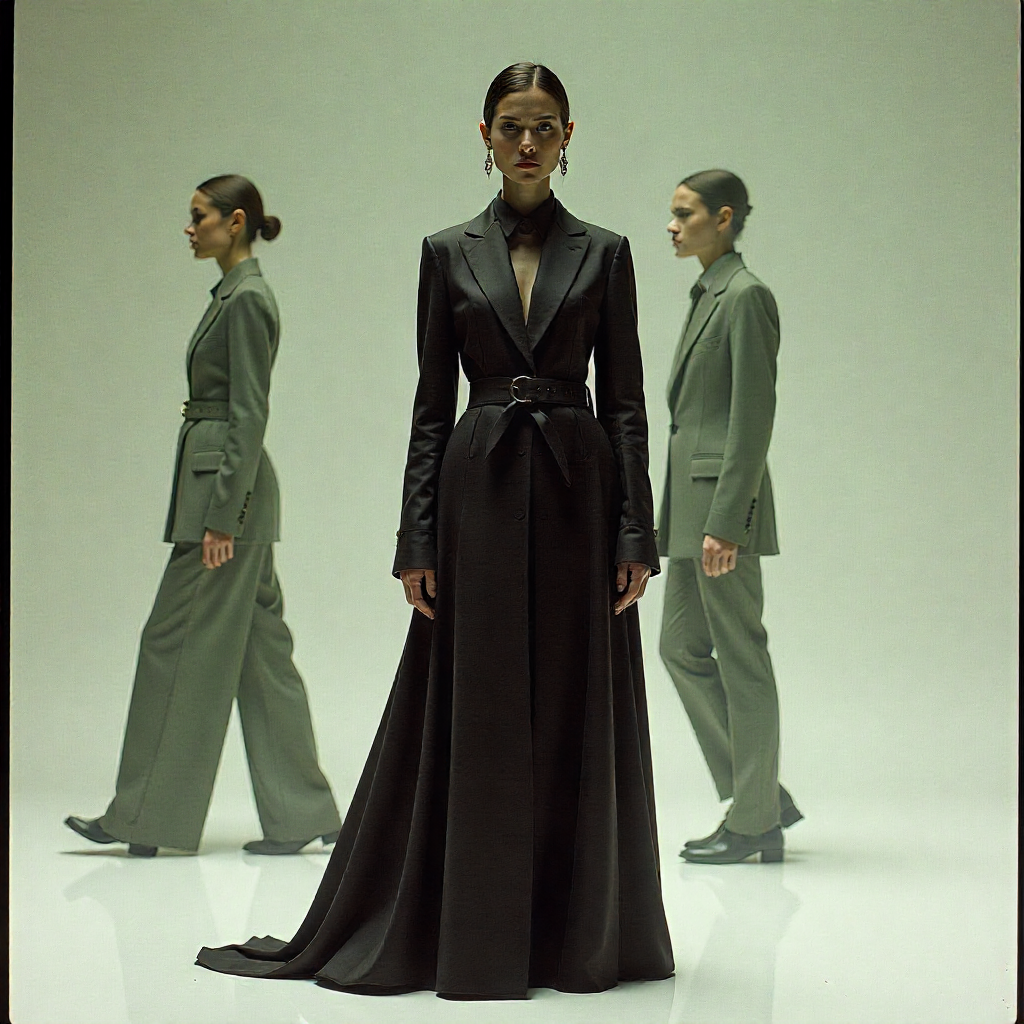
Architectural Composition
Wardrobe development follows architectural principles: foundation, structure, and detail. Foundation pieces provide versatility and form the base of the system. Structural elements establish silhouette and proportion. Details add refinement and visual interest.
Each consultation examines these relationships, ensuring coherence across the complete wardrobe. The goal is not accumulation but structural integrity and visual harmony.
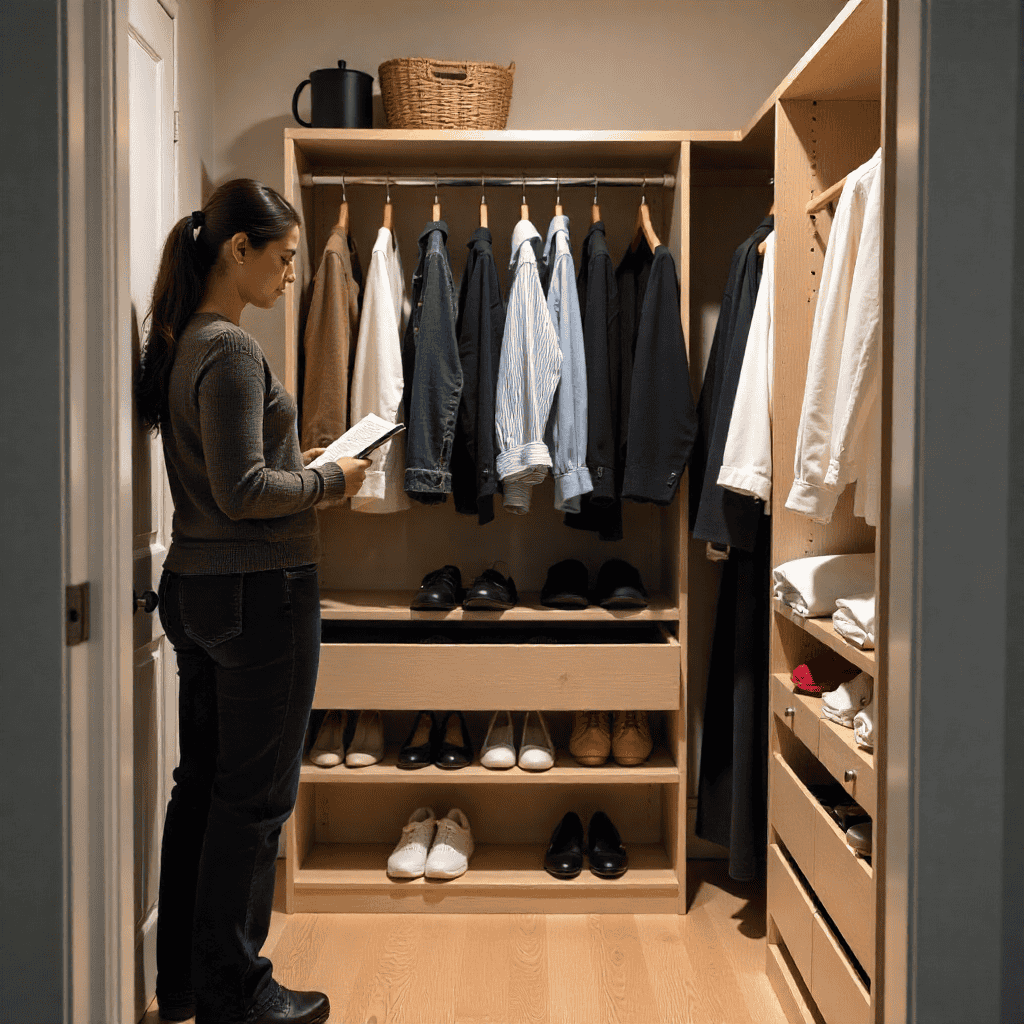
Visual Coherence
Styling decisions are guided by visual coherence rather than external trends or emotional narratives. Each garment selection is evaluated for its contribution to overall harmony, silhouette balance, and structural purpose.
The approach emphasizes methodical observation and editorial precision. Consultations are structured dialogues focused on aesthetic development, not psychological transformation or confidence building.
Documentation includes visual references, composition notes, and structural recommendations. The process is transparent and collaborative, with clear rationale for each styling decision.
Core Principles
Precision
Methodical attention to detail in every styling decision
Structure
Architectural foundation for wardrobe development
Coherence
Visual harmony across complete styling system
Documentation
Comprehensive reference system for ongoing use
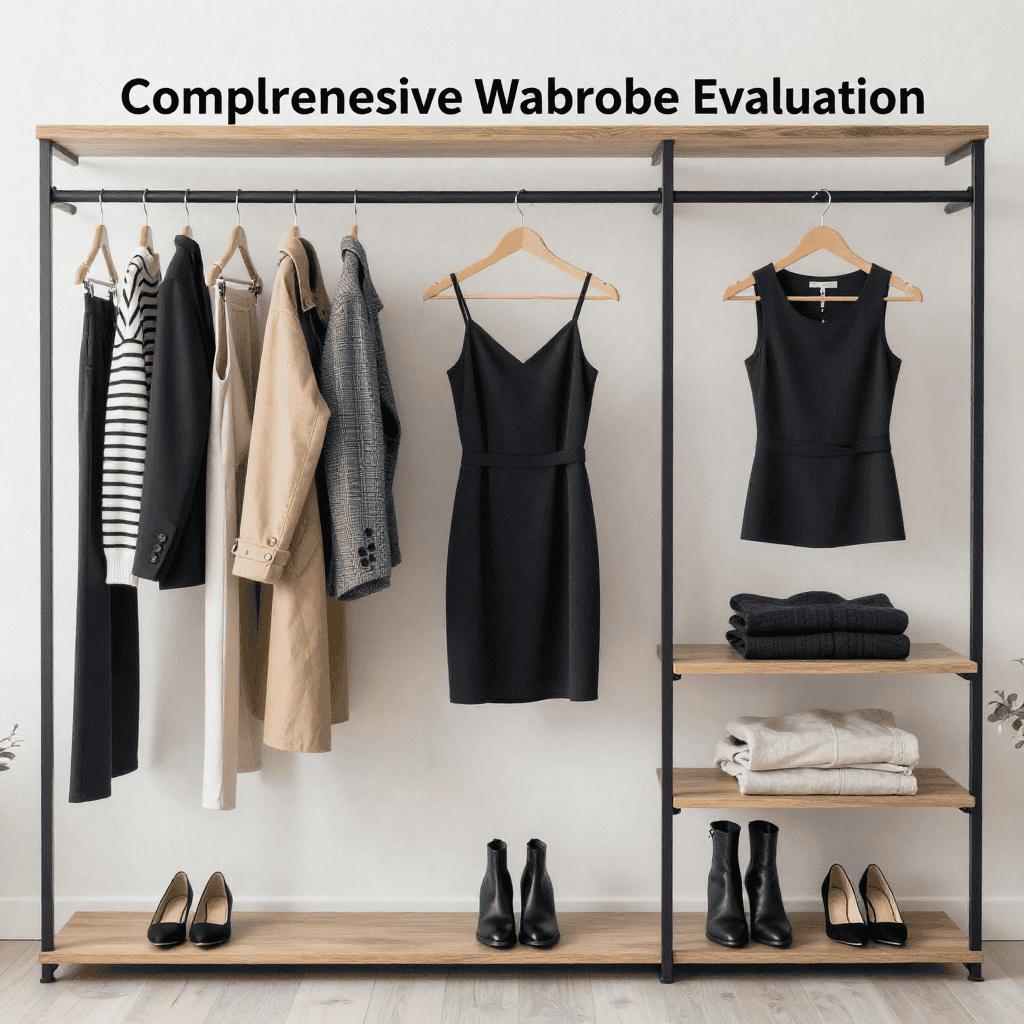
Editorial Framework
The editorial approach draws from fashion magazine composition, where each element serves a specific visual purpose. Garments are selected not for individual appeal but for their contribution to overall composition.
This framework ensures that styling decisions are based on objective visual principles rather than subjective preferences or trends. The result is a wardrobe system that maintains coherence and versatility over time.
"Styling operates through visual structure, not emotional narrative. Each decision serves the composition."
Methodology
Observation
Systematic review of existing wardrobe, visual preferences, and styling objectives. Documentation of current state and identification of structural elements.
Composition
Development of outfit combinations and visual arrangements based on architectural principles. Emphasis on proportion, balance, and visual rhythm.
Refinement
Ongoing adjustment and development of styling system. Support for wardrobe evolution while maintaining visual coherence and structural integrity.